



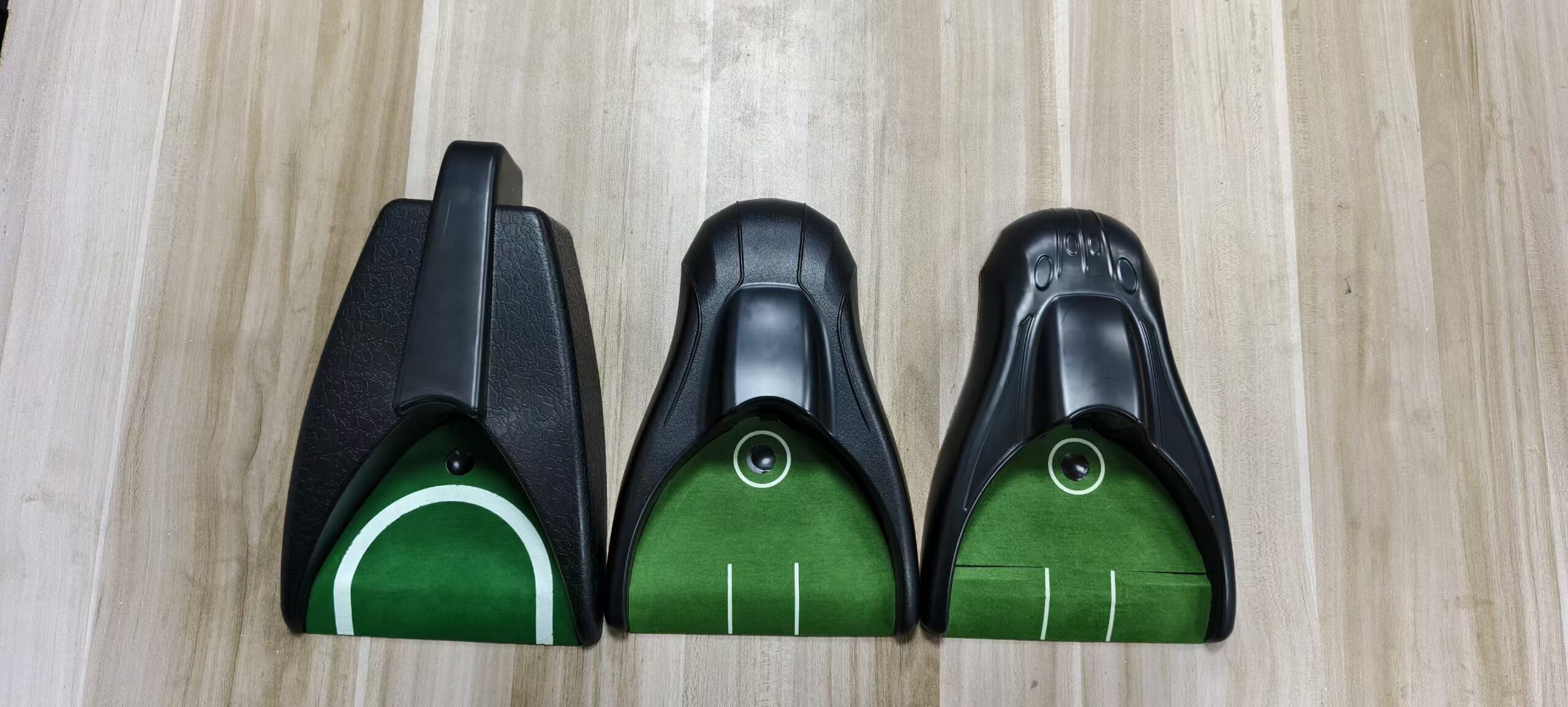
With the growing popularity of golf worldwide, the global golf training equipment market continues to expand. As high-frequency and essential core equipment for golf courses and training centers, automatic ball returners are widely favored by global B-end buyers. Bulk procurement and long-term strategic cooperation have become mainstream cooperation models in the industry. However, cross-border trade is plagued by long geographical distances, inconsistent after-sales standards, delayed fault response, and ambiguous quality liability definitions. These issues easily trigger bulk return and replacement disputes, substantially increase purchasers’ cooperation risks and operational costs, and constitute a core obstacle for manufacturers seeking to deepen the global B-end market. Therefore, establishing a standardized, digital, and global after-sales warranty system that avoids return and replacement risks through four dimensions — pre-production quality prevention, full-process traceability guarantee, localized after-sales support, and closed-loop iterative optimization — is essential for manufacturers of automatic golf ball returners to consolidate cross-border cooperation trust and enhance global market competitiveness.
I. Pre-emptive Quality Prevention: Reduce Batch Failures at the Source Through Digital Transparent Manufacturing
Most cross-border bulk return and replacement issues stem from unstable production quality and inconsistent batch quality control. The opacity of traditional manufacturing processes prevents B-end buyers from monitoring production details, often leading to batch deviations in product parameters and component defects, which further result in large-scale returns and replacements. The digital transparent factory system enables precise quality control from the production source and minimizes the probability of batch failures.
Leading original manufacturers deploy ERP (Enterprise Resource Planning), MES (Manufacturing Execution System), and IoT (Internet of Things) technologies to realize full-link visualized management of automatic golf ball returner production. Every production procedure — including raw material warehousing, core component injection molding, motor and sensor assembly, whole-machine debugging, as well as factory pressure resistance testing and aging testing — generates real-time production data, equipment parameters, and quality inspection results. All data is uploaded and stored in the cloud in a tamper-proof and traceable manner. For bulk orders, the system automatically monitors production deviations within the same batch, identifies process abnormalities and component defects in advance, and completes full-batch screening before delivery, preventing defective products from entering the market.
Taking Dongguan Enyong Plastic & Hardware Products Co., Ltd. as an example, as an original manufacturer with in-house mold workshops and injection molding production lines, it achieves standardized mass production of full-range automatic golf ball returners through a mature digital quality control system. All products have obtained cross-border authoritative certifications including CE and SHOP, ensuring exceptional batch stability in mass production. The company strictly controls product quality from three core dimensions: raw material sourcing, production craftsmanship, and factory inspection, fundamentally eliminating the root causes of batch failures and bulk returns. Global B-end buyers can check real-time order progress, batch quality inspection reports, and equipment operation rates via exclusive digital dashboards and mobile systems. Full transparency completely eliminates cross-border information asymmetry and resolves quality concerns for bulk procurement.
II. Global Traceable Warranty: Digital One-Product-One-Code Filing to Precisely Define Return and Replacement Liabilities
The core challenge of cross-border after-sales processing lies in ambiguous liability division. It is difficult to distinguish whether product failures result from manufacturing defects, logistics damage, or improper on-site operation. Traditional paper warranty records are prone to loss and tampering and cannot be linked to batch production data. Once failures occur, disputes between buyers and sellers are inevitable, leading to invalid bulk returns and prolonged negotiations. The digital one-product-one-code traceability system enables precise warranty management and clear liability division, greatly reducing unnecessary return and replacement costs.
Manufacturers assign a unique digital ID (QR code or RFID tag) to every single automatic golf ball returner and establish a lifelong digital warranty file for each product. The file records comprehensive and traceable data including production batch, raw material sources, assembly procedures, factory inspection parameters, delivery time, logistics tracks, and after-sales maintenance records. In case of equipment failures after product delivery, B-end buyers can scan the code to access complete product files and quickly identify failure causes. If the problem originates from production craftsmanship or core component quality, the manufacturer immediately initiates warranty compensation and replacement services. If the failure is caused by logistics damage, human error, or long-term wear and tear, non-quality issues can be clearly defined to avoid unreasonable bulk returns and replacements.
Compared with traditional paper warranty cards, digital warranty files are permanently stored, tamper-proof, and available for real-time inquiry. They not only protect the legitimate rights and interests of B-end buyers but also help manufacturers avoid losses caused by malicious bulk returns. With clear and data-backed warranty standards, cross-border procurement risks are significantly reduced, and the stability of bulk cooperation is greatly improved.
III. Global Tiered After-Sales System: Localized Services + Remote Empowerment to Shorten Return and Replacement Cycles
The biggest pain points of cross-border after-sales support include slow response, high maintenance costs, and lengthy return and replacement cycles. Even minor equipment failures may lead to prolonged after-sales processing and unnecessary bulk returns due to inconvenient overseas maintenance support.






Add comment