



A pickleball may look simple at first glance, but small design details can affect how it performs on the court. One of those details is the hole pattern. The number, size, and arrangement of holes influence how the ball moves through the air and how consistently it responds during play.
For players using pickleballs for practice, these differences matter. A ball with stable flight and predictable bounce makes it easier to work on serves, returns, rallies, and basic ball control. This is especially useful for recreational players and clubs that need a reliable ball for regular practice sessions.
How Does the Hole Pattern Affect Ball Flight?
The holes allow air to pass through the ball as it moves. Their arrangement can affect the way the ball travels, particularly when players hit it with different levels of power or spin.
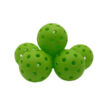
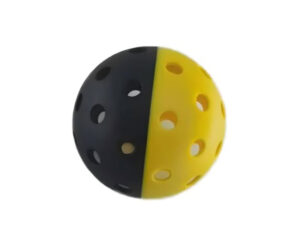
A well-designed 26-hole pickleball can provide a consistent flight path when the ball is used for everyday practice. Stable movement helps players focus on technique instead of constantly adjusting to an unpredictable ball.
This does not mean that hole count alone determines performance. The ball’s overall construction, weight, material, and hardness also play important roles. The hole pattern needs to work together with these elements.
Why Does Consistent Bounce Matter During Practice?
Practice is more useful when the ball behaves in a predictable way. If the bounce changes too much from one shot to another, players may spend more time reacting to the ball than improving their technique.
Enyong’s sports practice pickleball uses a single-layer construction with a hardness of 70, designed to provide a consistent bounce and stable flight. This makes it suitable for different practice situations, from basic drills to recreational rallies. For beginners, predictable bounce can make it easier to develop timing. More experienced players can also benefit when working on repetitive drills that require consistent ball response.

Is a 26-Hole Pickleball Good for Training?
There is no single pickleball design that suits every playing situation. Different players and training environments can have different requirements. However, a 26-hole pickleball can be a practical option when consistent flight and everyday usability are the main priorities.
For casual games, skill practice, and club activities, players generally want a ball that feels predictable without requiring special handling. A reliable practice ball can also help clubs keep training sessions simple when multiple players use the same type of equipment.
What About Ball Construction?
Hole pattern is only one part of pickleball design. The construction of the ball also affects its overall feel and durability.
A single-layer pickleball has a straightforward construction that can provide consistent performance for recreational and training applications. Combined with suitable hardness, it can offer a balanced response during regular play. For a practice pickleball, consistency is often more useful than extreme performance characteristics. Players need a ball that behaves similarly from one session to the next.

Does Color Matter for Practice?
Performance comes first, but visibility also matters on the court. A ball that is easy to see can make rallies and drills more comfortable, especially when players are moving quickly.
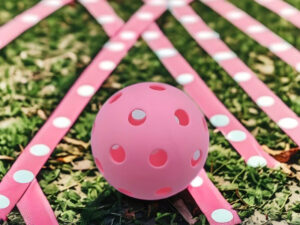
Enyong’s ball uses a multi-color design, giving it a distinctive appearance while making it suitable for recreational games, practice sessions, and club activities. For facilities that run group sessions, having visually appealing equipment can also make the overall playing experience more enjoyable.
Choosing a Pickleball for Regular Use
When choosing a sports practice pickleball, it is worth looking beyond the number of holes. Consider how the ball flies, how consistently it bounces, how it feels during repeated hits, and whether its construction matches the intended use.
For casual players and training environments, a practical combination of hole design, hardness, construction, and visibility can make a bigger difference than a single specification.
Enyong develops pickleball products for both recreational and training use. With a 26-hole design, single-layer construction, hardness of 70, and multi-color appearance, this practice ball is designed to deliver consistent performance for everyday games, skill training, and club activities.

A Small Design Detail With a Real Impact
Pickleball hole patterns are not simply a visual feature. They are part of the ball’s aerodynamic design and work together with its construction and material to influence flight and bounce.
For players who practice regularly, consistency is what matters most. A well-designed 26-hole pickleball can provide a predictable response that allows players to spend less time adjusting to the ball and more time working on their game. That is what makes hole pattern worth considering when selecting a pickleball for practice.



Add comment