



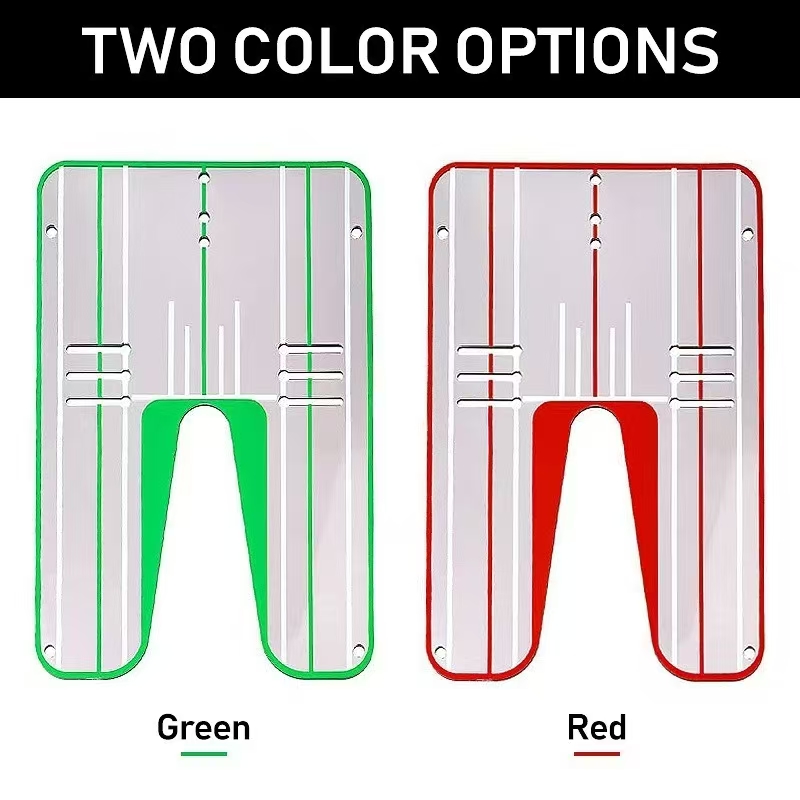
Angetrieben durch die tiefe Integration von Augmented Reality (AR) und Künstliche Intelligenz (KI), Golf-Putting-Spiegel erleben einen disruptiven Wandel gegenüber herkömmlichen Spiegeln “körperliche Ausrichtungshilfen” bis hin zu intelligenten KI-Personalcoaches. Zukünftige Putting-Spiegel werden weit über einfache digitale überlagerte Raster im Sichtfeld hinausgehen. Unterstützt durch Multisensorfusion und Edge Computing, Sie werden das Training und das Wettkampferlebnis der Golfer völlig verändern.
ICH. Entwicklung der Kerntechnologien: Von der visuellen Überlagerung zum multimodalen Wahrnehmungsfeedback
Zukünftige Putting-Spiegel werden mit Miniatur-Trägheitsmesseinheiten ausgestattet sein (IMUs) und hochauflösende Kameras zur Erfassung von Putting-Pfaden, Schlagflächenwinkel und Kopfbewegungen mit millimetergenauer Präzision. Entscheidender, Die Geräte werden über Echtzeit-Audio- und haptische Feedback-Mechanismen verfügen. Zum Beispiel, wenn die Schwungbahn eines Golfspielers abweicht oder sich sein Kopf während eines Schlags bewegt, Die Brille sendet sofortige Erinnerungen über veränderte Audiotöne oder subtile Vibrationen an den Bügeln des Rahmens. Ein solches multimodales Feedback beschleunigt die Bildung des Muskelgedächtnisses für die richtige Schwungmechanik, Dadurch können Golfer ihre Bewegungen selbst korrigieren, ohne ihre Konzentration zu beeinträchtigen.
II. Edge AI und Offline Intelligence werden zum Industriestandard
Um das Problem instabiler Netzwerksignale auf Golfplätzen anzugehen, Intelligente Putting-Spiegel werden vollständig auf den randseitigen Offline-Betrieb umgestellt. Zukünftige Geräte werden mit integrierten, leichten KI-Modellen und eingebetteten Offline-Mapping-Engines ausgestattet sein, Unterstützung der latenzfreien Datenverarbeitung ohne Abhängigkeit von der Cloud. Dadurch kann der Putting-Spiegel Grünhänge sofort analysieren, Vorhersagen von Puttlinien und Generieren maßgeschneiderter Schlagstrategien vor Ort. Das “tragbarer KI-Caddy” Das Modell gewährleistet nicht nur ein nahtloses Training und eine reibungslose Leistung auf der Strecke, sondern senkt auch den Stromverbrauch der Hardware und die Stückliste erheblich (Stückliste) Kosten.
III. Geschlossenes Datensystem und maßgeschneiderte Trainingsprogramme
Der wahre Wert intelligenter Putting-Spiegel liegt in der Umwandlung riesiger Datenmengen in personalisierte Coaching-Erkenntnisse. Über eine unterstützende mobile Anwendung, Golfer können langfristige technische Trends visualisieren, wie zum Beispiel das zu identifizieren 70% der verpassten Putts sind auf Fehler im Schlagflächenwinkel zurückzuführen. Das KI-System wird sogar als virtueller Trainer fungieren, Es werden automatisch gezielte Trainingsprogramme erstellt, die auf den technischen Schwächen jedes Golfspielers basieren. Auch Gamification-Elemente werden integriert – zum Beispiel, Herausforderungen, die zehn aufeinanderfolgende Putts mit einer Abweichung von weniger als einem halben Grad erfordern – wodurch monotones, sich wiederholendes Üben zu einem immersiven Erlebnis wird, fesselnde Erfahrung.
IV. Ultraleichtes Hardware-Design, unterstützt durch präzise Originalfertigung
Zur Unterbringung komplexer Sensoren und KI-Chips, Das Hardware-Design zum Anbringen von Spiegeln schreitet in Richtung extremer Leichtbau voran. Heterogene Multi-Chip-Architektur (MCU + NPU) wird sich als Mainstream-Lösung herausstellen, Bietet hohe Rechenleistung bei gleichzeitig verlängerter Akkulaufzeit. Trotzdem, Sowohl die Integration von Präzisionssensoren als auch die strukturelle Stabilität von Rahmen bei längerer Vibrationsrückkopplung stellen strenge Anforderungen an grundlegende Fertigungstechniken.
In diesem Sektor, Dongguan Enyong Kunststoff & Hardware Products Co., Ltd., ein erfahrener Originalhersteller mit 28 Jahrelange Erfahrung im Bereich Sportartikel aus Kunststoff, verfügt über herausragende Fertigungskapazitäten. Ausgestattet mit hauseigenen Formenwerkstätten und speziellen Produktionslinien, Enyong Plastic bietet eine strenge Kontrolle über die strukturelle Festigkeit, Rutschfester Sitz und präzise Komponentenmontage der Smart-Putting-Spiegelrahmen. Dies garantiert Haltbarkeit und ganztägigen Tragekomfort für intelligente Hardware, die in anspruchsvollen sportlichen Szenarien eingesetzt wird.




Kommentar hinzufügen