


Garder les clubs de golf propres est plus important que de nombreux golfeurs ne le pensent.
Saleté, herbe, du sable et de la boue peuvent s'accumuler dans les rainures d'un fer ou d'un coin, affectant la capacité du club à établir un contact constant avec la balle de golf. En même temps, une mauvaise brosse de nettoyage peut potentiellement endommager les finitions délicates du club si les poils sont trop agressifs.
Donc, quel est le meilleur matériau pour une brosse de nettoyage de club de golf?
La réponse dépend de ce que vous nettoyez.
Il n'y a pas de célibataire “meilleur” matériau de poils pour chaque partie d'un club de golf. Une brosse de nettoyage de golf bien conçue utilise généralement différents matériaux de poils pour différentes applications de nettoyage..
Les trois options les plus courantes sont laiton, nylon et acier inoxydable.
Laiton, Nylon ou acier inoxydable: Quel est le meilleur?
Le bon matériau de poils dépend de la tâche de nettoyage, la surface du club et le niveau de saleté à éliminer.
| Matériau des poils | Idéal pour | Avantage clé | Considération principale |
|---|---|---|---|
| Laiton | Rainures en fer et en coin | Bon pouvoir nettoyant avec une abrasivité relativement faible | Doit être correctement adapté à la finition du club |
| Nylon | Conducteur, bois de parcours et nettoyage général | Doux et respectueux de la surface | Moins efficace sur les saletés très tassées |
| Acier inoxydable | Saleté tenace et surfaces non délicates | Haute durabilité et nettoyage agressif | Peut rayer ou endommager les finitions délicates |
C'est pourquoi de nombreux professionnels brosses de nettoyage de club de golf utiliser une combinaison de types de poils plutôt que de compter sur un seul matériau.
1. Poils en laiton: Un choix populaire pour les rainures des clubs de golf
Pour nettoyer les rainures des fers et des cales, poils en laiton sont un choix populaire.
Le laiton offre un équilibre utile entre la force de nettoyage et la douceur relative par rapport à l'acier inoxydable..
Les poils peuvent pénétrer dans les rainures étroites du club et aider à éliminer:
- Boue séchée
- Herbe
- Sable
- Sol
- Autres débris
Cela rend une brosse à poils de laiton particulièrement utile comme nettoyant pour rainures de club de golf.
Cependant, la dureté des poils et la conception de la brosse comptent toujours.
Une bonne brosse de golf doit être conçue de manière à ce que les poils en laiton offrent des performances de nettoyage suffisantes sans créer d'abrasion inutile sur la surface du club..
Pour cette raison, choisir simplement les poils les plus durs possibles n'est pas le but.
L’objectif est d’obtenir le bon niveau de performance de nettoyage pour la surface à nettoyer.
2. Poils en nylon: Nettoyage doux des têtes de club et des finitions
Le nylon est une option plus douce et est particulièrement utile pour nettoyer les surfaces qui nécessitent un toucher plus doux..
UN brosse de golf en nylon peut être utilisé pour:
- Pilotes
- Bois de parcours
- Têtes de club hybrides
- Balles de golf
- Nettoyage général des surfaces
- Enlever l'herbe et la saleté
Les poils en nylon sont flexibles et légers, ce qui les rend adaptés au nettoyage de routine sans l'action agressive associée aux poils métalliques.
Pour les fabricants de clubs de golf et les marques d’accessoires, le nylon offre également une flexibilité de conception significative.
Différents diamètres de poils, les longueurs et les niveaux de rigidité peuvent être spécifiés pour créer différentes caractéristiques de nettoyage.
3. Poils en acier inoxydable: Puissant, mais à utiliser avec précaution
Les poils en acier inoxydable sont plus durs et plus résistants à l'usure que le nylon ou le laiton.
Ils peuvent être utiles lorsqu'il s'agit de saletés particulièrement tenaces ou de surfaces nécessitant un nettoyage agressif..
Cependant, les poils en acier inoxydable ne conviennent pas à toutes les surfaces des clubs de golf.
L'utilisation d'une brosse dure en acier inoxydable directement sur des finitions délicates peut entraîner des rayures ou des dommages à la surface..
Pour cette raison, L'acier inoxydable est généralement mieux adapté à des applications de nettoyage spécifiques plutôt que d'être utilisé universellement sur l'ensemble de la tête du club..
Ceci illustre un principe important dans la conception des brosses de golf:
Plus agressif ne veut pas toujours dire meilleur.
La meilleure brosse est celle qui offre la performance de nettoyage requise tout en respectant la surface à nettoyer.
La meilleure brosse de nettoyage de golf peut utiliser plusieurs matériaux à poils
Pour cette raison, un brosse de nettoyage de club de golf double face peut être plus polyvalent qu’une brosse mono-matériau.
Par exemple:
Côté nylon → Nettoyage doux des surfaces
Côté laiton → Nettoyage des rainures
Cette combinaison permet aux golfeurs de basculer entre différentes tâches de nettoyage sans transporter plusieurs brosses..
Une brosse compacte double face peut également être pratique pour les sacs de golf car elle offre de multiples fonctions dans un faible encombrement.
Pour les marques d'accessoires de golf, ce type de conception multi-matériaux crée des opportunités supplémentaires de différenciation des produits.
Les marques peuvent personnaliser:
- Matériau des poils
- Rigidité des poils
- Taille du pinceau
- Forme du manche
- Matériau du manche
- Logo
- Couleur
- Conditionnement
- Clip de fixation
- Structure à poils rétractables ou fixes
Pourquoi la conception des pinceaux est aussi importante que le matériau des poils
Choisir le bon matériau de poils n'est qu'une partie de la conception du produit.
La façon dont les poils sont fixés au manche affecte également la durabilité du produit..
Les brosses de nettoyage de golf sont exposées à des tractions répétées, forces de brossage et de grattage. Si les poils ne sont pas solidement ancrés, ils peuvent se desserrer ou tomber après une utilisation répétée.
C'est là que la précision de fabrication devient importante.
Un bien conçu brosse de nettoyage de club de golf devrait combiner:
- Rétention sécurisée des poils
- Densité de poils constante
- Rigidité appropriée des poils
- Ergonomie confortable
- Construction résistante aux chocs
- Assemblage de poignée fiable
- Qualité de production constante
Pour une brosse de golf compacte, obtenir un placement cohérent des poils peut être particulièrement difficile car la zone de travail est relativement petite.
Insertion précise des poils pour une qualité constante
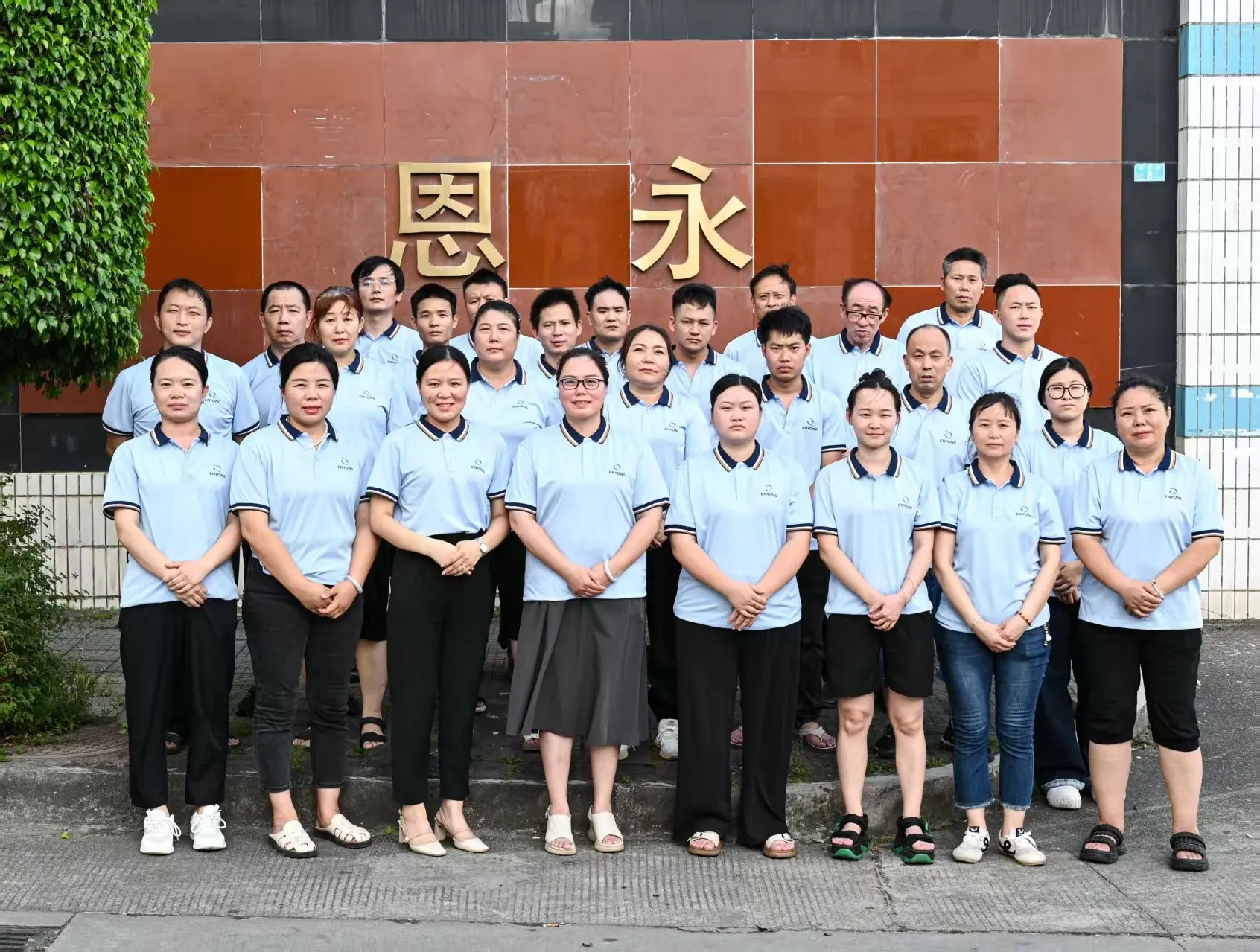
À Dongguan Enyong Plastique & Produits de quincaillerie Cie., Ltée., expérience en fabrication de matières plastiques, le matériel et les composants de brosse soutiennent le développement d'outils de nettoyage de golf personnalisés.
Avec plus de 28 années d'expérience en fabrication, Enyong travaille avec des processus incluant le moulage par injection de précision, estampage du métal et insertion de poils CNC multi-axes.
Le processus de fixation des poils est conçu pour fournir un positionnement cohérent et une rétention sécurisée des poils en nylon et en laiton..
Pour les marques d'accessoires de golf, cela peut être important lors du développement de produits qui doivent conserver la même apparence et les mêmes performances de nettoyage sur de grandes séries de production..
Du prototype à la production de masse
Pour les marques développant un nouveau brosse pour club de golf, la capacité de fabrication peut faire une différence significative.
Un processus de développement OEM/ODM typique peut inclure:
Concept produit → Conception technique → Prototype → Outillage → Échantillonnage → Tests → Production en petits lots → Production de masse
Cela permet aux marques d’affiner le pinceau avant de s’engager dans des volumes de production plus importants..
La personnalisation peut inclure différentes combinaisons de:
- Poils en laiton et nylon
- Matériaux de manipulation
- Formes ergonomiques
- Finitions de surfaces
- Logos de marque
- Couleurs personnalisées
- Conditionnement
- Systèmes de fixation de sacs de golf
Cette flexibilité est particulièrement utile pour les marques de golf, les distributeurs et les détaillants cherchant à développer un produit différent des brosses de golf standard du commerce.
28 Années d'expérience dans la fabrication d'accessoires de golf
Avec plus de 28 années d'expérience dans la fabrication de plastique et de quincaillerie, Dongguan Enyong Plastique & Produits de quincaillerie Cie., Ltée. se concentre sur la transformation des concepts de produits en composants et produits finis prêts pour la production.
Ses capacités de fabrication comprennent:
- Moulage par injection de précision
- Estampage des métaux
- Insertion des poils
- Intégration de composants en plastique et en métal
- Assemblage du produit
- Fabrication OEM
- Développement de produits ODM
- Accessoires de golf personnalisés
Enyong exploite également le Piyuan, Enyong et Yuanhuameng marques, répondre à différents positionnements de produits et exigences du marché.
Pour les entreprises d'accessoires de golf, un partenaire de fabrication intégré peut aider à simplifier le processus de développement — de l'outillage et de l'échantillonnage à la production finale.
Fabrication flexible pour les marques de golf
Les accessoires de golf sont une catégorie compétitive, et les marques doivent souvent tester de nouveaux produits avant de s'engager dans des stocks importants.
Une fabrication flexible peut aider les marques à progresser:
Prototype → Échantillon → Petit lot → Test de marché → Production de masse
Cette approche peut réduire les risques inutiles liés aux stocks tout en donnant aux marques plus de flexibilité pour répondre à l'évolution de la demande des clients..
Pour une brosse de nettoyage de club de golf personnalisée, les fabricants peuvent également ajuster le produit en fonction de différents marchés cibles, niveaux de prix et canaux de vente au détail.
Donc, Quel est le meilleur matériau de poils pour une brosse de golf?
Il n'y a pas de réponse universelle.
Le meilleur matériau dépend du travail.
Pour le nettoyage des rainures:
Le laiton est souvent un choix judicieux car il permet un nettoyage efficace avec moins d'agressivité que l'acier inoxydable..
Pour les surfaces délicates et le nettoyage courant:
Le nylon est généralement le plus sûr, option plus douce.
Pour les salissures particulièrement tenaces et les surfaces non délicates appropriées:
L'acier inoxydable peut offrir des performances de nettoyage plus élevées, mais il faut l'utiliser avec précaution.
Pour de nombreux golfeurs, la solution la plus pratique est un Brosse de nettoyage de club de golf double face combinant des poils en nylon et en laiton.
Il offre un équilibre utile entre un nettoyage doux des surfaces et un nettoyage plus efficace des rainures..
Le principe clé: Faites correspondre les poils à la surface
La conception des brosses de golf consiste en fin de compte à adapter l'outil de nettoyage à la surface..
Une règle simple est:
Poils doux pour surfaces sensibles.
Poils plus résistants pour les rainures et la saleté tenace.
Utiliser une brosse inutilement agressive sur une finition délicate d’un club peut faire plus de mal que de bien..
Pour les fabricants, le défi est de traduire ce principe simple en un produit durable, ergonomique, cohérent et commercialement viable.
Cela nécessite plus que le choix d’un matériau de poils.
Cela nécessite un contrôle sur matériels, densité des poils, technologie d'insertion, outillage, assemblage et contrôle qualité.
Pensées finales
Une brosse de nettoyage pour club de golf peut être un accessoire relativement petit, mais il joue un rôle important dans la maintenance des équipements.
Le meilleur pinceau n’est pas nécessairement le plus dur.
C'est la brosse qui fournit le bon équilibre de pouvoir nettoyant, protection des surfaces, durabilité et facilité d'utilisation.
Pour les marques et distributeurs de golf, choisir le bon partenaire de fabrication est tout aussi important.
Et Enyong, nous combinons des capacités de fabrication de plastique et de matériel avec un développement flexible OEM et ODM pour aider les marques à créer des produits personnalisés. brosses de nettoyage de club de golf, nettoyeurs de rainures et autres accessoires de golf.
Si vous développez un nouvel outil de nettoyage de golf ou si vous recherchez un fabricant de brosses de golf personnalisées, nous pouvons soutenir le processus depuis la conception du produit et l'outillage jusqu'à l'échantillonnage et la production de masse.
Quel type de poils préférez-vous pour vos clubs de golf – laiton, nylon ou une combinaison double face?
#Golf #GolfAccessories #GolfClubCleaning #GolfBrush #GolfClubBrush #GolfClubCleaner #GolfClubGrooveCleaner #GolfEquipment #GolfTraining #GolfMaintenance #GolfAccessoryManufacturer #GolfOEM #GolfODM #CustomGolfAccessories #GolfManufacturing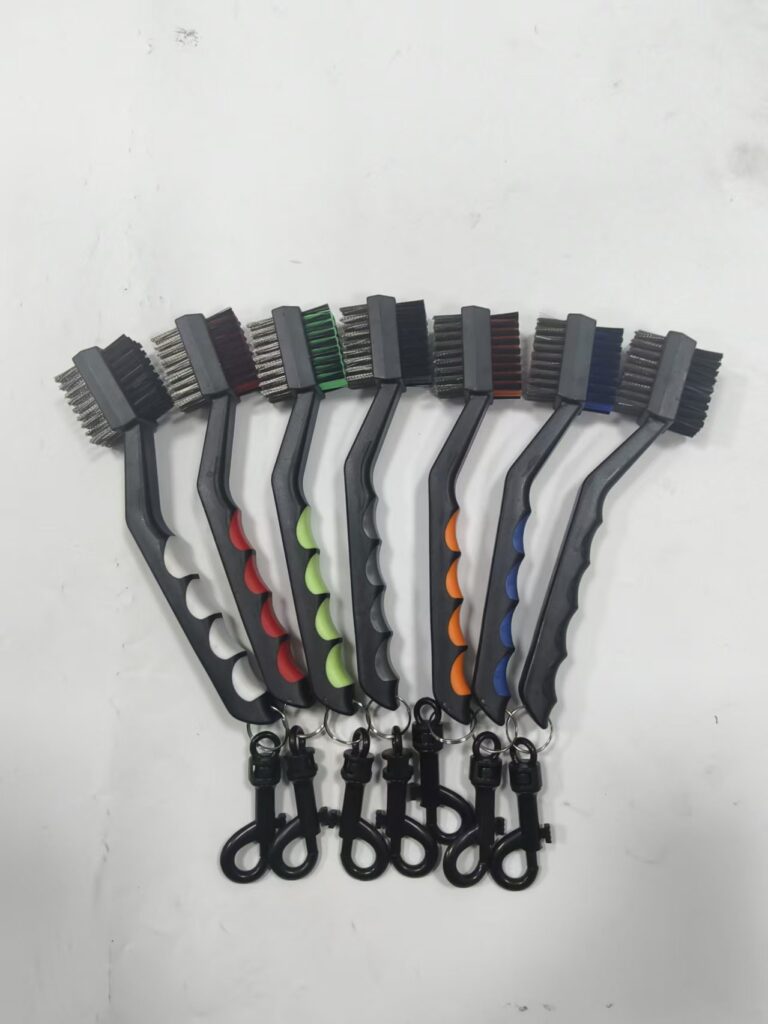




Ajouter un commentaire