



Pickleball products are attracting attention from sports retailers, distributors, and private-label brands. But with different paddle designs, ball types, set configurations, and customization options available, choosing the right product is not always straightforward.
For retailers, the goal is not simply to find a low-cost pickleball set. It is to select equipment that matches customer expectations, fits the target market, and offers a reasonable balance between quality and price.
A well-planned custom pickleball set can help retailers create a more distinctive product line while meeting the needs of recreational players, sports clubs, schools, and other customer groups. Here are the key factors to consider before placing an order.

1. Who Are Your Target Customers?
Before selecting a custom pickleball set, identify who will buy and use the product. Different customer groups have different expectations, and these differences should guide product selection.
- Beginners and casual players: Usually prioritize ease of use, affordability, and a convenient all-in-one set.
- Families and recreational buyers: Often look for multiple paddles, sufficient balls, and practical storage.
- Schools and sports clubs: May need larger quantities, consistent product specifications, and equipment suitable for regular group activities.
- Sports retailers and private-label brands: Often focus on product differentiation, packaging, customization, and long-term supply reliability.
Understanding your customers first helps prevent a common sourcing mistake: investing in features that increase the product cost but offer little value to the intended audience.
2. How Should You Choose the Right Paddle and Ball Configuration?
The paddle and ball are the core components of any pickleball set. Their specifications influence how the product performs and which players it suits.
When evaluating paddles, consider the material, weight, grip comfort, surface finish, and overall construction. These details can affect handling, durability, and the player’s experience.
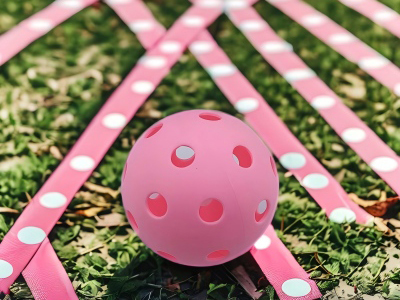
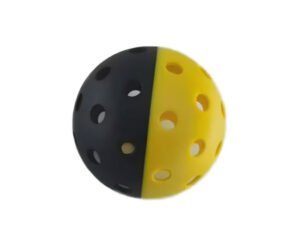
Ball selection is equally important. Hole count, material, weight, and construction all influence flight characteristics and intended use. For example, 26-hole pickleballs are commonly associated with indoor play, while 40-hole designs are widely used outdoors. However, the best choice depends on the exact ball specifications and intended playing conditions.
If you are sourcing a custom 26-hole pickleball set, confirm whether the ball design is appropriate for your target customers rather than relying on the hole count alone.
Retailers should also check that the set includes the right number of paddles and balls, along with any accessories required for the intended market.
3. What Customization Options Matter Most?
Customization gives retailers more control over how their products are presented in the market. Instead of selling an entirely generic set, businesses can develop a product that reflects their own brand identity and customer preferences.
Common customization options include:
Paddle branding: Add a company logo, brand name, or custom graphic to create a recognizable product.
Color and design: Choose suitable colors and visual elements that align with your brand positioning, subject to the manufacturer’s capabilities.
Packaging: Custom boxes, sleeves, or carrying bags can improve product presentation and support retail display requirements.
Set configuration: Adjust the number of paddles, balls, and accessories to suit different price points or customer groups.
Not every manufacturer offers the same level of customization. Before committing to a design, confirm printing methods, artwork requirements, minimum order quantities, sampling procedures, and additional costs. For retailers developing private-label pickleball sets, it is particularly important to establish which design elements can be customized and which are fixed by the existing product platform.

4. How Can You Balance Product Quality and Retail Price?
Price matters in a competitive sports equipment market, but choosing a supplier based on unit price alone can create problems later.
A very low initial price may not represent the best overall value if the product has inconsistent specifications, inadequate packaging, or a higher replacement rate.
When comparing custom pickleball sets, assess the following:
- Material quality: Check paddle construction, grip materials, and ball consistency.
- Production consistency: Ask how the manufacturer maintains specifications across different batches.
- Product testing: Request relevant test information and samples where appropriate.
- Packaging protection: Ensure the packaging can protect the products during transportation and storage.
- Total landed cost: Include product price, customization fees, packaging, shipping, duties, and other applicable expenses.
Ordering samples before a large production run can help retailers assess the actual product rather than making a decision based only on photos or specifications.
The objective is to find a pickleball set that meets customer expectations while leaving enough room for a sustainable retail margin.
5. Why Does the Right Pickleball Set Manufacturer Matter?
Even a well-designed product depends on reliable manufacturing and clear communication. Choosing the right pickleball set manufacturer can make product development and repeat purchasing much easier.
Before placing an order, retailers should evaluate several factors.
Customization capability: Can the supplier accommodate your logo, colors, packaging, and required set configuration?
Quality control: Does the manufacturer have a defined process for inspecting materials, finished products, and packaging?
Communication: Are specifications, quotations, production schedules, and revisions explained clearly?
Order flexibility: Can the supplier support your expected order volume and discuss realistic minimum order quantities?
Repeat-order consistency: Can the supplier maintain the agreed design and specifications when you reorder?
It is also worth clarifying production lead times, payment terms, shipping arrangements, and procedures for handling defective products before signing off on an order.
These details are particularly important for retailers who plan to build a long-term product line rather than make a one-time purchase.
6. Should Retailers Consider Private Label Pickleball Sets?
Private-label products allow retailers to sell equipment under their own brand rather than relying entirely on a manufacturer’s branding.
A private label pickleball set can help a retailer establish a consistent product identity across online stores, physical shops, and distribution channels.
This approach may be suitable for businesses that want to differentiate their offerings, develop branded sports products, or create coordinated sets for a specific customer segment.
However, private labeling requires more than adding a logo. Retailers should also consider product positioning, packaging design, pricing, quality standards, and the availability of repeat orders.
For businesses entering the pickleball market, starting with an existing product platform and customizing selected features may be more practical than requesting extensive product development from the beginning.
The right approach depends on the budget, order volume, target audience, and manufacturer’s capabilities.

7. How Can Enyong Support Your Custom Pickleball Set Requirements?
When evaluating suppliers, retailers should look for a partner that understands both product requirements and commercial objectives.
Enyong is a brand to consider when exploring custom pickleball set options. Before moving forward, buyers should discuss their intended market, preferred paddle and ball specifications, branding requirements, and expected order quantity.
A clear sourcing process can begin with four steps:
- Define your product requirements. Identify the target customers, set configuration, materials, and intended playing environment.
- Confirm customization options. Discuss paddle graphics, colors, packaging, and available accessories.
- Evaluate samples and specifications. Review product quality and verify any performance or compliance claims relevant to your market.
- Agree on commercial terms. Confirm pricing, minimum order quantity, production lead time, packaging, and shipping arrangements.
This approach helps retailers make decisions based on actual product requirements instead of relying on price or appearance alone.
Whether you are developing a custom 26-hole pickleball set or exploring other set configurations, confirming the product details with Enyong can help establish a clearer basis for sourcing.
Conclusion
Choosing the right custom pickleball set starts with understanding your customers and the market you want to serve. Paddle and ball specifications, customization options, product quality, retail pricing, and supplier reliability should all be considered before placing an order.
For retailers, a successful product is not necessarily the one with the most features or the lowest purchase price. It is the one that meets customer expectations, supports the brand’s positioning, and can be sourced consistently.
By evaluating these factors carefully, retailers can make more informed purchasing decisions and develop a custom pickleball set that fits their business goals.
Looking for a custom pickleball set for your retail business? Contact Enyong to discuss available product configurations, branding options, and sourcing requirements.
Frequently Asked Questions
1. What should retailers consider when buying a custom pickleball set?
Retailers should evaluate their target customers, paddle and ball specifications, set configuration, customization options, product quality, total cost, and supplier reliability.
2. Can a custom pickleball set include a private label logo?
Many manufacturers offer logo customization, but the available printing methods, artwork requirements, minimum order quantities, and costs vary. Confirm these details before ordering.
3. What is the difference between a 26-hole and a 40-hole pickleball?
The hole pattern affects ball aerodynamics and flight behavior. Twenty-six-hole designs are commonly associated with indoor pickleballs, while 40-hole designs are widely used outdoors. Confirm the exact product specifications and intended use before purchasing.
4. Should retailers order samples before bulk purchasing?
Yes. Samples allow buyers to assess product construction, grip comfort, ball quality, printing, and packaging before committing to a larger order.
5. How can retailers evaluate a pickleball set manufacturer?
Review customization capabilities, quality-control procedures, communication, production lead times, minimum order quantities, and the supplier’s ability to maintain consistent specifications across repeat orders.




Add comment