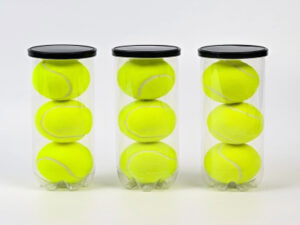

Tennis is a sport that demands consistency, 내구성, and precision. Whether used in professional coaching sessions, tennis academies, club training, or ball machines, high-quality Tennis Practice Balls play a critical role in improving player performance and maintaining training efficiency.
But have you ever wondered how professional tennis training balls are actually manufactured?
As a professional Tennis Ball Manufacturer, ENYONG combines advanced production technology, strict quality control, and premium raw materials to produce durable and high-performance Practice Tennis Balls for global markets.
In this article, we explore the complete manufacturing process behind professional tennis balls and the key factors that determine their quality.
Understanding Professional Tennis Practice Balls
Professional Tennis Practice Balls are specifically designed for repetitive training rather than tournament competition. Compared with match balls, they focus more on:
- Long-lasting bounce consistency
- Durability under frequent impact
- Stable pressure retention
- Resistance to wear and fuzz loss
- Compatibility with tennis ball machines
For coaches, tennis clubs, schools, and training centers, selecting reliable Tennis Training Balls directly affects player development and operational costs.
Step 1: Selecting Premium Rubber Materials
The manufacturing process begins with the rubber core, which is the foundation of every tennis ball.
Professional Tennis Ball Manufacturers typically use a combination of:
- Natural rubber
- Synthetic rubber compounds
- Elasticity enhancers
- Vulcanizing agents
The rubber formula determines critical performance characteristics such as:
- Bounce height
- Compression
- Elasticity
- Pressure retention
- Durability
그리고 당신, raw materials are carefully tested to ensure that every batch of Practice Tennis Balls maintains stable performance during intensive training sessions.
Step 2: Rubber Core Molding
Once the rubber compound is prepared, it is processed into half-shells using high-pressure molding machines.
Key Manufacturing Procedures:
- Rubber mixing
- Compression molding
- Heat vulcanization
- Semi-shell shaping
The two rubber half-shells are then bonded together to create the inner core of the tennis ball.
For pressurized Tennis Practice Balls, manufacturers inject controlled internal air pressure before sealing the core completely. This stage is extremely important because even slight inconsistencies in core thickness can affect bounce accuracy and ball lifespan.
Step 3: Pressure Stabilization and Core Testing
After molding, the rubber cores enter a stabilization process.
Professional Tennis Training Balls undergo multiple tests, 포함:
- Compression testing
- Bounce height testing
- Air pressure retention testing
- Shape consistency inspection
- Weight measurement
High-end Tennis Ball Manufacturers use automated quality inspection systems to guarantee production precision.
Only cores that meet international standards proceed to the next stage.
Step 4: Felt Material Production
The outer felt surface significantly affects ball speed, spin, and durability.
Professional Practice Tennis Balls generally use a combination of:
- Wool fibers
- Nylon fibers
- Synthetic textile blends
The felt is engineered to provide:
- Abrasion resistance
- Consistent flight trajectory
- Controlled spin interaction
- Long-term fuzz retention
Different training applications may require different felt structures. For example:
| Ball Type | Felt Characteristics |
|---|---|
| Beginner Training Balls | Softer and slower felt |
| Professional Training Balls | Dense and durable felt |
| Ball Machine Tennis Balls | Extra wear-resistant felt |
그리고 당신, felt density and thickness are optimized to ensure stable performance across various court surfaces.
Step 5: Felt Cutting and Bonding
The felt material is cut into a precise “dog-bone” shape before being attached to the rubber core.
This process includes:
- Precision felt cutting
- Adhesive coating
- High-pressure bonding
- Seam alignment
The iconic curved seam design of Tennis Practice Balls is carefully engineered to improve aerodynamic performance and bounce consistency.
Improper seam bonding can lead to:
- Uneven bounce
- Poor rotation stability
- Faster wear
- Reduced lifespan
That is why professional Tennis Ball Manufacturers maintain strict bonding accuracy standards.
Step 6: Surface Finishing and Branding
After bonding, the tennis balls are heated and polished to achieve a smooth and uniform surface texture.
The balls are then printed with:
- Brand logos
- Product specifications
- Custom OEM markings
As an experienced Tennis Ball Manufacturer, ENYONG also provides:
- OEM tennis ball production
- Private label customization
- Custom logo printing
- Packaging design services
This is especially important for distributors, sports brands, clubs, and wholesalers seeking private-label Tennis Training Balls.
Step 7: Quality Control and Performance Testing
Before packaging, every batch of Tennis Practice Balls undergoes comprehensive quality inspection.
Standard Testing Includes:
- Bounce consistency testing
- Diameter measurement
- Weight verification
- Pressure durability testing
- Abrasion resistance testing
- High-frequency impact simulation
Professional manufacturers often simulate real training conditions to ensure the balls perform reliably during long-term use.
ENYONG follows strict quality management standards to ensure every shipment meets customer expectations and international training requirements.
Step 8: Packaging and Export Preparation
After passing inspection, the balls are packaged according to customer requirements.
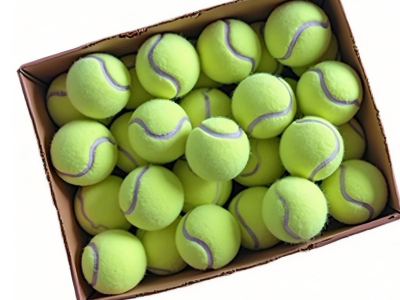
Common packaging options include:
- Pressurized cans
- Mesh bags
- Bulk cartons
- Club training packs
- Ball machine refill boxes
For international wholesale buyers, packaging durability and shipping protection are also critical factors.
Professional Tennis Ball Manufacturers ensure export packaging meets global logistics standards to reduce transportation damage.
What Makes High-Quality Tennis Practice Balls Different?
Not all Practice Tennis Balls are manufactured to the same standard.
High-quality Tennis Training Balls typically offer:
1. Better Bounce Retention
Stable rebound performance during long training sessions.
2. Longer Durability
Reduced fuzz loss and improved wear resistance.
3. Consistent Flight Performance
Improved player timing and stroke development.
4. Ball Machine Compatibility
Reduced machine jamming and stable feeding.
5. Cost Efficiency
Longer lifespan lowers replacement frequency for clubs and academies.
Why Choose ENYONG as Your Tennis Ball Manufacturer?
ENYONG specializes in manufacturing premium Tennis Practice Balls for global distributors, tennis clubs, training academies, and sporting goods brands.
ENYONG Advantages:
- Advanced production technology
- Strict quality control systems
- OEM & private label support
- Bulk wholesale supply
- Durable Tennis Training Balls
- Stable export capabilities
- Custom packaging solutions
With a focus on performance consistency and long-term durability, ENYONG helps customers build reliable tennis training equipment solutions for professional and commercial markets.
결론:
The manufacturing of professional Tennis Practice Balls involves far more than simply producing a rubber ball. From rubber formulation and pressure control to felt engineering and quality testing, every production stage directly affects durability, bounce, and overall training performance.
As a trusted Tennis Ball Manufacturer, ENYONG combines precision manufacturing with advanced quality control to deliver high-performance Tennis Training Balls and Practice Tennis Balls for players, 코치, clubs, and distributors worldwide. For buyers seeking reliable and durable tennis ball solutions, understanding the manufacturing process is the first step toward choosing the right supplier.

댓글 추가