


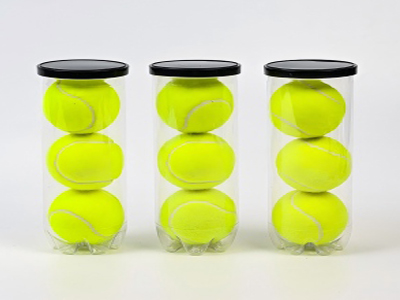
No todos los clientes necesitan el mismo tipo de pelota de entrenamiento de tenis. A sports retailer may be looking for a product that offers good value for money, while a tennis club may care more about durability and consistent performance during repeated practice sessions. Para marcas deportivas, product appearance, embalaje, and private-label options can be just as important as the ball itself.
This is where OEM tennis training balls offer greater flexibility. By working with an experienced tennis ball manufacturer, businesses can develop products that better match their target markets, expectativas del cliente, and sales strategies.
Para Enyong, understanding these differences is an important part of supporting OEM and custom tennis ball projects. The right solution starts with identifying who will use the product, how it will be used, and what the buyer needs to achieve in their market.
1. Why Do Different Markets Need Different Tennis Training Balls?
Tennis is played by people with different skill levels, training habits, and budgets. Como resultado, the requirements for tennis training balls can vary considerably from one customer group to another.
Por ejemplo, beginners often need balls that make it easier to develop basic strokes and improve timing. More experienced players may prioritize consistent bounce and predictable ball response during drills. Clubs and coaching organizations, meanwhile, need products that can withstand frequent use without requiring constant replacement.
Market expectations can also differ. Some buyers focus on affordable products for large-volume sales, while others want customized products that support a distinct brand identity.
For businesses sourcing OEM tennis training balls, these differences create opportunities to develop a product range rather than rely on a single standard specification. With the right combination of product features, embalaje, and customization, buyers can serve their customers more effectively.

2. How Can OEM Tennis Training Balls Serve Different Customer Groups?
Before selecting specifications, buyers should consider the needs of their main customers. Several groups are particularly relevant to the tennis equipment market.
Tennis Clubs and Training Centers
Tennis clubs and training centers use balls regularly for coaching sessions, group lessons, and practice drills. Durability and consistent performance are therefore important considerations.
Para estos compradores, a suitable tennis training ball should be selected according to the intensity of use, training format, and expected replacement frequency. El embalaje a granel también puede ser útil para organizaciones que compran grandes cantidades y necesitan gestionar el stock de manera eficiente..
Un proveedor OEM puede analizar las especificaciones del producto y las opciones de embalaje según los requisitos del comprador.. Esto ayuda a los clubes a encontrar productos que se ajusten a sus rutinas de entrenamiento y presupuestos de compra..
Marcas deportivas y empresas de marcas privadas
Para marcas deportivas, el producto es sólo una parte de la oferta general. Embalaje, herrada, y la coherencia entre las líneas de productos también influyen en cómo los clientes perciben la marca..
Las pelotas de entrenamiento de tenis OEM personalizadas permiten a las empresas desarrollar productos con sus propias marcas. Dependiendo de las capacidades del fabricante., la personalización puede incluir la impresión del logotipo, diseño de embalaje, etiquetado, y especificaciones de productos seleccionados.
Private-label tennis balls can help brands build a more recognizable product range without having to establish their own manufacturing facilities. Before production begins, buyers should confirm which customization options are available, along with minimum order quantities, sample requirements, and production lead times.
Sports Wholesalers and Distributors
Wholesalers and distributors often serve multiple customer groups, from independent sports shops to schools and local tennis clubs. Their priorities may include competitive pricing, dependable supply, and packaging that suits different sales channels.
For these businesses, bulk OEM tennis balls can be a practical option when product specifications and order quantities are planned carefully. Standardized specifications can simplify purchasing, while different packaging configurations may help distributors serve retail and institutional customers.
Reliable communication with the manufacturer is also essential, particularly when repeat orders need to match previous batches.
Coaches, Escuelas, and Beginner Training Programs
Coaches and educational organizations may need tennis balls for introductory lessons, group activities, and regular training sessions. Ease of use, appropriate ball characteristics, and overall purchasing cost can all affect their choice.
The best option depends on the age and ability of the players, the type of training, and the recommendations of the coaching program. Buyers should confirm the intended use before choosing a ball type rather than assuming that one specification will suit every beginner.
For suppliers such as Enyong, understanding the intended application helps establish clearer product requirements before a custom order is placed.

3. Which Product Features Can Be Customized?
The level of customization depends on the manufacturer’s production capabilities and the specific requirements of the order. Buyers should distinguish between changes to the physical product and changes to branding or packaging.
Common areas to discuss include the following:
Especificaciones del producto: Buyers can discuss the required ball characteristics, intended training application, and relevant performance expectations. Any changes to construction or materials should be confirmed with the manufacturer and evaluated through samples where appropriate.
Logo and branding: For private-label projects, La impresión de logotipos y la presentación de la marca pueden ayudar a que un producto se destaque en un mercado competitivo.. Los compradores deben confirmar los métodos de impresión disponibles y cómo la marca puede afectar el producto final y el embalaje..
Diseño de envases: El embalaje se puede adaptar al canal de venta previsto., sujeto a las opciones disponibles del proveedor. Los productos minoristas pueden requerir una presentación de marca, mientras que los clubes y centros de entrenamiento pueden preferir envases prácticos a granel.
Cantidad de pedido y gama de productos: Algunos compradores pueden comenzar con un modelo y ampliar la gama después de probar la demanda del mercado.. Discutir con anticipación las cantidades mínimas de pedido y los requisitos de producción puede ayudar a las empresas a planificar sus lanzamientos de manera más realista..
Un proyecto OEM exitoso no requiere necesariamente una gran personalización. En muchos casos, clearly defining a few important requirements is more effective than adding features that do not offer meaningful value to the target customer.
4. How Can Buyers Match Tennis Training Balls to Their Target Market?
Choosing a product for a specific market involves more than comparing prices. Buyers need to consider how the product will be used, sold, and evaluated by customers.
A useful starting point is to answer four questions:
- Who is the end user? Identify whether the product is intended for beginners, regular players, clubs, entrenadores, or retail customers.
- What matters most to the buyer? Priorities may include durability, playing characteristics, price, brand presentation, or convenient packaging.
- Where will the product be sold? Retail distribution, online sales, institutional purchasing, and club supply can involve different packaging and order requirements.
- What quality standards are expected? Establish clear requirements for product specifications, aprobación de muestra, and batch consistency before confirming an order.
These questions help businesses avoid selecting a product based solely on its unit price. A low-cost option may not be suitable if it fails to meet the expectations of the intended customer group. Similarmente, extensive customization may not be worthwhile when the market mainly values affordability and straightforward functionality.
For international buyers, it is also important to confirm applicable product requirements and customer expectations in the destination market rather than assume that the same specifications will work everywhere.
5. What Should You Look for in an OEM Tennis Ball Manufacturer?
The supplier plays a significant role in turning a product idea into a commercially viable offering. Buyers should evaluate more than the initial quotation when comparing a tennis ball manufacturer for an OEM project.
Primero, check whether the manufacturer can meet the required specifications and explain the available customization options. Clear communication at this stage helps prevent misunderstandings about product performance, herrada, y embalaje.
Segundo, ask about sample availability and the process for approving product specifications before mass production. Testing samples gives buyers an opportunity to assess whether the product meets their expectations.
Tercero, discuss quality control and batch consistency. For businesses planning repeat orders, maintaining consistent product specifications is important for customer satisfaction and inventory planning.
Finalmente, confirmar cantidades mínimas de pedido, cronogramas de producción, detalles del embalaje, y arreglos de envío. Estos factores afectan el plan de compra general y deben entenderse antes de finalizar el pedido..
Enyong puede considerarse un socio potencial para las empresas que exploran proyectos OEM de pelotas de entrenamiento de tenis.. Los compradores deben comunicar su grupo de clientes objetivo., volumen de pedido esperado, y requisitos de personalización claramente para que la solución propuesta pueda evaluarse frente a sus necesidades comerciales.

6. ¿Por qué es importante la personalización para el crecimiento empresarial a largo plazo??
La personalización OEM no consiste simplemente en añadir un logotipo a una pelota de tenis.. Cuando se planifica cuidadosamente, Puede ayudar a una empresa a alinear su oferta de productos con un grupo de clientes definido y crear una experiencia de marca más consistente..
Sin embargo, La personalización debe guiarse por la demanda del mercado y no solo por la apariencia.. Los compradores necesitan equilibrar los requisitos del producto., precio objetivo, cantidades de pedido, y capacidades de fabricación.
Trabajar en estrecha colaboración con un proveedor OEM como Enyong puede ayudar a las empresas a aclarar estas prioridades antes de pasar de la selección de productos al muestreo y la producción..
Conclusión
Las pelotas de entrenamiento de tenis OEM se pueden adaptar a diferentes mercados y grupos de clientes., pero el enfoque más eficaz comienza con una comprensión clara de las necesidades del cliente.. Las marcas deportivas pueden priorizar el etiquetado privado, Los distribuidores pueden centrarse en el suministro y los precios., y los clubes de tenis pueden poner mayor énfasis en la durabilidad y el rendimiento constante.
Definiendo las especificaciones del producto., requisitos de marca, embalaje, y pedir cantidades por adelantado, buyers can build a more suitable product offering and reduce avoidable sourcing problems.
For businesses looking for an OEM tennis training ball supplier, Enyong offers a starting point for discussing customization requirements and potential cooperation. A clear project brief and careful sample evaluation can help turn market needs into a product that fits the intended business strategy.
Preguntas frecuentes
Can OEM tennis training balls be customized with a company logo?
Logo printing may be available depending on the manufacturer’s capabilities and the selected product. Buyers should confirm artwork requirements, printing options, cantidades mínimas de pedido, and sample approval procedures before placing an order.
Are OEM tennis training balls suitable for bulk purchasing?
Sí. OEM arrangements can support bulk purchasing for sports distributors, minoristas, clubs, and other organizations. The appropriate order quantity depends on the supplier’s minimum order requirements, production capacity, and the buyer’s demand forecast.
Can one OEM tennis ball supplier serve different customer groups?
A supplier may offer different specifications, opciones de marca, or packaging configurations for different applications. Buyers should confirm the available product range and customization capabilities before assuming that every option can be produced.
What information should buyers provide when requesting an OEM quotation?
Buyers should outline the intended customer group, product requirements, estimated order quantity, logo or packaging needs, destination market, and target delivery schedule. Providing these details makes it easier for the manufacturer to assess the project and prepare a relevant quotation.







Añadir comentario