


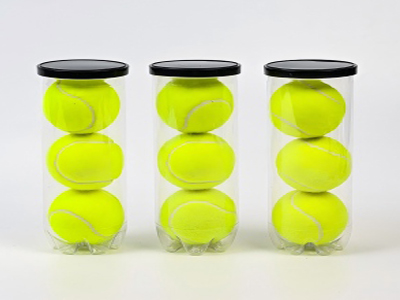
Not every customer needs the same type of tennis training ball. A sports retailer may be looking for a product that offers good value for money, while a tennis club may care more about durability and consistent performance during repeated practice sessions. Для спортивных брендов, product appearance, упаковка, and private-label options can be just as important as the ball itself.
This is where OEM tennis training balls offer greater flexibility. By working with an experienced tennis ball manufacturer, businesses can develop products that better match their target markets, ожидания клиентов, and sales strategies.
Для Эньонга, understanding these differences is an important part of supporting OEM and custom tennis ball projects. The right solution starts with identifying who will use the product, how it will be used, and what the buyer needs to achieve in their market.
1. Why Do Different Markets Need Different Tennis Training Balls?
Tennis is played by people with different skill levels, training habits, and budgets. Как результат, the requirements for tennis training balls can vary considerably from one customer group to another.
Например, beginners often need balls that make it easier to develop basic strokes and improve timing. More experienced players may prioritize consistent bounce and predictable ball response during drills. Clubs and coaching organizations, meanwhile, need products that can withstand frequent use without requiring constant replacement.
Market expectations can also differ. Some buyers focus on affordable products for large-volume sales, while others want customized products that support a distinct brand identity.
For businesses sourcing OEM tennis training balls, these differences create opportunities to develop a product range rather than rely on a single standard specification. With the right combination of product features, упаковка, and customization, buyers can serve their customers more effectively.

2. How Can OEM Tennis Training Balls Serve Different Customer Groups?
Before selecting specifications, buyers should consider the needs of their main customers. Several groups are particularly relevant to the tennis equipment market.
Tennis Clubs and Training Centers
Tennis clubs and training centers use balls regularly for coaching sessions, group lessons, and practice drills. Durability and consistent performance are therefore important considerations.
Для этих покупателей, a suitable tennis training ball should be selected according to the intensity of use, training format, and expected replacement frequency. Bulk packaging may also be useful for organizations that purchase large quantities and need to manage stock efficiently.
An OEM supplier can discuss product specifications and packaging options based on the buyer’s requirements. This helps clubs source products that fit their training routines and purchasing budgets.
Sports Brands and Private-Label Businesses
Для спортивных брендов, the product is only one part of the overall offering. Упаковка, брендинг, and consistency across product lines also influence how customers perceive the brand.
Custom OEM tennis training balls allow businesses to develop products under their own brand names. Depending on the manufacturer’s capabilities, customization may include logo printing, packaging design, labeling, and selected product specifications.
Private-label tennis balls can help brands build a more recognizable product range without having to establish their own manufacturing facilities. Before production begins, buyers should confirm which customization options are available, along with minimum order quantities, sample requirements, and production lead times.
Sports Wholesalers and Distributors
Wholesalers and distributors often serve multiple customer groups, from independent sports shops to schools and local tennis clubs. Their priorities may include competitive pricing, dependable supply, and packaging that suits different sales channels.
For these businesses, bulk OEM tennis balls can be a practical option when product specifications and order quantities are planned carefully. Standardized specifications can simplify purchasing, while different packaging configurations may help distributors serve retail and institutional customers.
Reliable communication with the manufacturer is also essential, particularly when repeat orders need to match previous batches.
Coaches, Schools, and Beginner Training Programs
Coaches and educational organizations may need tennis balls for introductory lessons, group activities, and regular training sessions. Ease of use, appropriate ball characteristics, and overall purchasing cost can all affect their choice.
The best option depends on the age and ability of the players, the type of training, and the recommendations of the coaching program. Buyers should confirm the intended use before choosing a ball type rather than assuming that one specification will suit every beginner.
For suppliers such as Enyong, understanding the intended application helps establish clearer product requirements before a custom order is placed.

3. Which Product Features Can Be Customized?
The level of customization depends on the manufacturer’s production capabilities and the specific requirements of the order. Buyers should distinguish between changes to the physical product and changes to branding or packaging.
Common areas to discuss include the following:
Характеристики продукта: Buyers can discuss the required ball characteristics, intended training application, and relevant performance expectations. Any changes to construction or materials should be confirmed with the manufacturer and evaluated through samples where appropriate.
Logo and branding: For private-label projects, logo printing and brand presentation can help a product stand out in a competitive market. Buyers should confirm the available printing methods and how branding may affect the final product and packaging.
Дизайн упаковки: Packaging can be adapted to the intended sales channel, subject to the supplier’s available options. Retail products may require branded presentation, while clubs and training centers may prefer practical bulk packaging.
Order quantity and product range: Some buyers may begin with one model and expand the range after testing market demand. Discussing minimum order quantities and production requirements early can help businesses plan their launches more realistically.
A successful OEM project does not necessarily require extensive customization. In many cases, clearly defining a few important requirements is more effective than adding features that do not offer meaningful value to the target customer.
4. How Can Buyers Match Tennis Training Balls to Their Target Market?
Choosing a product for a specific market involves more than comparing prices. Buyers need to consider how the product will be used, sold, and evaluated by customers.
A useful starting point is to answer four questions:
- Who is the end user? Identify whether the product is intended for beginners, regular players, клубы, тренеры, or retail customers.
- What matters most to the buyer? Priorities may include durability, playing characteristics, price, brand presentation, or convenient packaging.
- Where will the product be sold? Retail distribution, online sales, institutional purchasing, and club supply can involve different packaging and order requirements.
- What quality standards are expected? Establish clear requirements for product specifications, sample approval, and batch consistency before confirming an order.
These questions help businesses avoid selecting a product based solely on its unit price. A low-cost option may not be suitable if it fails to meet the expectations of the intended customer group. Сходным образом, extensive customization may not be worthwhile when the market mainly values affordability and straightforward functionality.
For international buyers, it is also important to confirm applicable product requirements and customer expectations in the destination market rather than assume that the same specifications will work everywhere.
5. What Should You Look for in an OEM Tennis Ball Manufacturer?
The supplier plays a significant role in turning a product idea into a commercially viable offering. Buyers should evaluate more than the initial quotation when comparing a tennis ball manufacturer for an OEM project.
Первый, check whether the manufacturer can meet the required specifications and explain the available customization options. Clear communication at this stage helps prevent misunderstandings about product performance, брендинг, и упаковка.
Второй, ask about sample availability and the process for approving product specifications before mass production. Testing samples gives buyers an opportunity to assess whether the product meets their expectations.
Третий, discuss quality control and batch consistency. For businesses planning repeat orders, maintaining consistent product specifications is important for customer satisfaction and inventory planning.
Окончательно, confirm minimum order quantities, production schedules, packaging details, and shipping arrangements. These factors affect the overall purchasing plan and should be understood before the order is finalized.
Enyong can be considered as a potential partner for businesses exploring OEM tennis training ball projects. Buyers should communicate their target customer group, expected order volume, and customization requirements clearly so that the proposed solution can be evaluated against their commercial needs.

6. Why Is Customization Important for Long-Term Business Growth?
OEM customization is not simply about adding a logo to a tennis ball. When planned carefully, it can help a business align its product offering with a defined customer group and build a more consistent brand experience.
Однако, customization should be guided by market demand rather than appearance alone. Buyers need to balance product requirements, target pricing, order quantities, and manufacturing capabilities.
Working closely with an OEM supplier such as Enyong can help businesses clarify these priorities before moving from product selection to sampling and production.
Заключение
OEM tennis training balls can be tailored to different markets and customer groups, but the most effective approach begins with a clear understanding of customer needs. Sports brands may prioritize private labeling, distributors may focus on supply and pricing, and tennis clubs may place greater emphasis on durability and consistent performance.
By defining product specifications, branding requirements, упаковка, and order quantities in advance, buyers can build a more suitable product offering and reduce avoidable sourcing problems.
For businesses looking for an OEM tennis training ball supplier, Enyong offers a starting point for discussing customization requirements and potential cooperation. A clear project brief and careful sample evaluation can help turn market needs into a product that fits the intended business strategy.
Часто задаваемые вопросы
Can OEM tennis training balls be customized with a company logo?
Logo printing may be available depending on the manufacturer’s capabilities and the selected product. Buyers should confirm artwork requirements, printing options, minimum order quantities, and sample approval procedures before placing an order.
Are OEM tennis training balls suitable for bulk purchasing?
Да. OEM arrangements can support bulk purchasing for sports distributors, розничные продавцы, клубы, and other organizations. The appropriate order quantity depends on the supplier’s minimum order requirements, production capacity, and the buyer’s demand forecast.
Can one OEM tennis ball supplier serve different customer groups?
A supplier may offer different specifications, branding options, or packaging configurations for different applications. Buyers should confirm the available product range and customization capabilities before assuming that every option can be produced.
What information should buyers provide when requesting an OEM quotation?
Buyers should outline the intended customer group, product requirements, estimated order quantity, logo or packaging needs, destination market, and target delivery schedule. Providing these details makes it easier for the manufacturer to assess the project and prepare a relevant quotation.







Добавить комментарий