


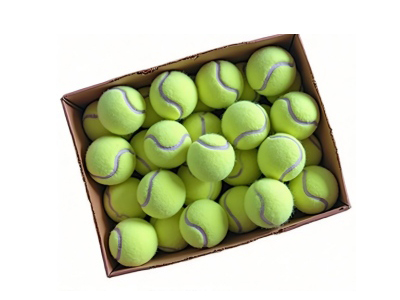
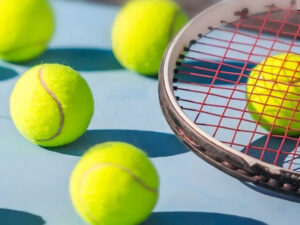
А тренировочный теннисный мяч может выглядеть просто, но его производительность зависит от нескольких деталей изготовления. Игрок может заметить разницу после нескольких тренировок., в то время как теннисная академия или спортивный дистрибьютор увидят это гораздо раньше, потому что они используют большое количество мячей каждый день..
Регулярные тренировки оказывают большую нагрузку на теннисный мяч.. Каждый удар ракетки сжимает резиновый сердечник.. Каждый отскок создает новый удар. Войлок трется о струны ракетки и поверхность корта на протяжении всей тренировки.. Через некоторое время, эти повторяющиеся удары меняют ощущение и поведение мяча.
Качество производства играет важную роль в том, как быстро происходят эти изменения.. Резиновая смесь, основная конструкция, процесс отверждения, чувствовал себя, связь, и контроль производства – все это способствует созданию конечного продукта. Для предприятий, которые закупают теннисные тренировочные мячи оптом., долговечность также влияет на эксплуатационные расходы. Шар, который сохраняет свои рабочие характеристики дольше, может снизить частоту замены и обеспечить более высокую эффективность в течение всего срока службы..
Резиновая сердцевина закладывает основу долговечности
Резиновая сердцевина выполняет большую часть работы внутри тренировочного теннисного мяча.. Каждый раз, когда игрок ударяет по мячу, ядро сжимается и снова расширяется. Тот же процесс происходит, когда мяч попадает на площадку.. Во время напряженной тренировки, ядро может пройти этот цикл сотни раз. Поэтому резине необходима достаточная эластичность и прочность, чтобы выдерживать повторяющиеся деформации..
Производители контролируют несколько факторов во время производства сердечника., включая состав резиновой смеси, смешивание материалов, формование, и лечение. Каждый этап может влиять на конечную эластичность и устойчивость ядра.. Плохой баланс материалов может привести к получению мяча с хорошим начальным отскоком, но слабыми долгосрочными характеристиками.. Хорошо контролируемая формулировка может помочь ядру сохранить свою реакцию благодаря повторным тренировкам.. Для тренировочных мячей, первоначальное исполнение рассказывает лишь часть истории. Покупателям B2B также необходимо учитывать, как мяч ведет себя после недель или месяцев регулярного использования..

Как отверждение резины влияет на производительность теннисного мяча
Вулканизация играет особенно важную роль в производстве резины.. На этом этапе, производители применяют контролируемое нагревание в течение определенного периода. Этот процесс меняет структуру резины и придает сердечнику необходимые физические свойства.. Температура, время отверждения, условия производства требуют тщательного контроля. Небольшие изменения могут повлиять на твердость., эластичность, и упругость готовой резины. Плохой контроль процесса может привести к заметным различиям между производственными партиями.. Одна партия может отличаться от другой, даже если оба продукта имеют одинаковые характеристики.. Этот вопрос важен для OEM-клиентов, которые планируют размещать повторные заказы.. Спортивный бренд может протестировать и утвердить один образец., успешно продать товар, и вернитесь за более крупным заказом позже. Новая постановка по-прежнему должна обеспечивать аналогичный игровой опыт.. Последовательное отверждение помогает производителям поддерживать необходимый уровень повторяемости..
Качество войлока также влияет на срок службы мяча
Резиновому сердечнику уделяется больше всего внимания при разработке продукта., но внешний войлок тоже играет важную роль. Игроки постоянно подвергают войлок трению.. Струны ракетки цепляются за поверхность во время контакта, в то время как корт создает дополнительное истирание при каждом отскоке и скольжении. Корты с твердым покрытием могут вызывать особенно сильный износ поверхности во время интенсивных тренировок.. Глиняные корты создают различные проблемы, поскольку в войлоке может собираться пыль и мелкие частицы.. Сам материал имеет значение, но производителям также необходимо контролировать способ нанесения войлока на сердцевину.. Резка, формирование, связь, Процессы отделки могут повлиять на внешний вид и долговечность внешней поверхности.. Плохое применение может привести к появлению слабых мест, которые изнашиваются быстрее во время обычной игры.. Поэтому прочный теннисный тренировочный мяч нуждается в прочном сердечнике и надежном внешнем покрытии.. Один компонент не может компенсировать серьезную слабость другого..
Точная сборка помогает предотвратить преждевременный износ
Производители объединяют несколько компонентов для производства готового тренировочного теннисного мяча.. Резиновое ядро, клей, чувствовал себя, и другие материалы должны работать вместе как один продукт. Слабое соединение между компонентами может вызвать проблемы после многократных ударов..
Например, плохое приклеивание может привести к ослаблению войлока или образованию неровных участков во время длительного использования.. Игроки могут заметить проблему по мере старения мяча..
Производственные группы могут снизить эти риски, тщательно контролируя процесс сборки.. Им необходимо поддерживать подходящие условия склеивания., настройки оборудования, и производственные допуски на протяжении всего тиража. Этот подход также помогает уменьшить различия между отдельными мячами..

Почему последовательность важна для оптовых покупателей
Теннисная академия может закупить сотни или тысячи тренировочных мячей для регулярных тренировок..
Представьте себе, что вы открываете новую партию и обнаруживаете заметные различия между отдельными шариками.. Некоторые могут чувствовать себя тверже, некоторые могут отскакивать по-другому, а у других износ поверхности может проявиться гораздо раньше.
Подобные вариации делают тренировку менее предсказуемой..
Тренеры хотят, чтобы их игроки концентрировались на тайминге, техника удара, движение, и контроль мяча. Они не хотят, чтобы игроки постоянно приспосабливались к различиям между тренировочными мячами..
Спортивные дистрибьюторы сталкиваются с аналогичной проблемой. Их клиенты ожидают, что повторные заказы будут соответствовать продуктам, которые они приобрели ранее..
Для OEM-бренда, последовательность имеет еще больший вес, поскольку покупатель видит продукт под названием бренда.. Качество продукции производителя становится частью опыта бренда..
Определяет ли качество изготовления весь срок службы??
Производство оказывает сильное влияние на долговечность., но он не определяет весь срок службы сам по себе.
Условия игры также имеют значение.
Теннисный клуб, который использует одни и те же мячи в течение нескольких часов каждый день, естественно, создаст больший износ, чем игрок-любитель, который тренируется раз в неделю.. Тип суда, частота воспроизведения, температура, влажность, и условия хранения могут повлиять на скорость износа.
Корты с твердым покрытием обычно создают больше трения о сукно.. Хранение на открытом воздухе может подвергать материалы воздействию тепла и влаги.. Плохое хранение может сократить срок службы продукта, даже если производитель соблюдал правильный производственный процесс..
Это делает предполагаемое применение важным при разработке продукта..
Тренировочный мяч для интенсивных академических тренировок может нуждаться в другом балансе прочности и игровых характеристик по сравнению с мячом, предназначенным для периодического использования в рекреационных целях..
Почему долговечность имеет значение в работе теннисной академии
Теннисные академии и клубы часто рассматривают тренировочные мячи как рабочий инвентарь, а не как товар для случайного использования..
Тренер может использовать большую корзину с мячами для выполнения упражнений по подаче., базовые упражнения, практика кормления, или групповое обучение. Одни и те же мячи можно многократно использовать в течение недели..
Затраты на замену могут быстро возрасти.
По этой причине, отделы закупок должны смотреть не только на цену за единицу продукции. Более дешевый мяч может показаться привлекательным по цене., но частая замена может со временем увеличить фактическую стоимость.
Продукт, стоящий немного дороже, может оказаться более выгодным, если он дольше сохраняет работоспособность..
При правильном сравнении следует учитывать срок службы продукта., частота замены, стабильность производительности, и потребности конечного пользователя.
Что следует спросить покупателям у OEM-производителя теннисных мячей??
Серьезный OEM-проект должен включать в себя нечто большее, чем просто печать логотипа и дизайн упаковки..
Покупатели должны сначала объяснить, как, по их мнению, клиенты будут использовать продукт.. Затем производитель может рекомендовать спецификации, соответствующие предполагаемому применению..
Важные области могут включать:
- Материал и конструкция резинового сердечника
- Весогабаритные характеристики
- Характеристики отскока
- Материал войлока и конструкция поверхности
- Метод склеивания
- Внешний вид и цвет продукта
- Требования к упаковке
- Допуски по качеству
- Образец утверждения
- Проверка производства
- Согласованность повторного заказа
Эти детали дают обеим сторонам более четкую производственную цель..
Выборочное тестирование также помогает. Покупатель может оценить фактический продукт, прежде чем совершить крупный заказ., пока производитель может подтвердить, хорошо ли предложенные характеристики работают в производстве. Для долгосрочного сотрудничества OEM, повторяемость имеет такое же значение, как и первый образец.

Как ENYONG разрабатывает товары для тенниса и спорта на открытом воздухе
И ваш, разработка продукта находится в центре нашей работы.
Мы специализируемся на проектировании и разработке спортивных товаров., включая товары для тенниса, аксессуары для пиклбола, спортивные чистящие средства, и другое спортивное оборудование на открытом воздухе.
Наши услуги OEM и ODM помогают спортивным брендам, дистрибьюторы, и другие бизнес-клиенты разрабатывают продукты с учетом конкретных требований рынка..
Мы не рассматриваем OEM-производство как простое размещение логотипа клиента на существующем продукте.. Успешный продукт должен соответствовать своему предполагаемому применению., целевой рынок, требования к упаковке, и ожидаемая производительность.
Для тренировочных теннисных мячей, клиенты могут иметь особые ожидания в отношении долговечности, чувствовать, появление, упаковка, и массовое производство. Наш процесс разработки дает клиентам возможность обсудить эти требования до начала производства..
ENYONG также уделяет большое внимание исследованиям и разработкам.. Мы продолжаем изучать способы улучшения спортивных товаров, уделяя внимание практическим характеристикам и более экологически безопасной разработке продуктов..
Прочный тренировочный теннисный мяч начинается с правильного производственного процесса
Срок службы теннисного тренировочного мяча начинается задолго до первой тренировки..
Резиновая сердцевина должна выдерживать многократное сжатие.. Процесс отверждения должен обеспечить стабильные свойства материала.. Войлок должен выдерживать трение., и процесс сборки должен обеспечивать совместную работу различных компонентов при регулярном использовании..
Производители не могут контролировать каждый фактор на теннисном корте., но они могут контролировать качество и стабильность продукта, покидающего завод..
Это различие важно для покупателей B2B..
Теннисной академии нужны тренировочные мячи, способные выдерживать частые тренировки.. Дистрибьютору нужны продукты, которые обеспечивают стабильное качество всех заказов.. Спортивному бренду нужен продукт, который поддерживает его репутацию и побуждает клиентов покупать снова..
Для этих клиентов, качество производства становится больше, чем технической проблемой. Это становится частью коммерческой ценности продукта..
В ЭНЬОНГ, мы работаем с клиентами посредством разработки OEM и ODM, чтобы создавать спортивные продукты с учетом реальных приложений и требований рынка.. Сочетая разработку продукта с контролируемым производством, Мы стремимся поставлять тренировочные теннисные мячи и другие товары для занятий спортом на открытом воздухе, которые обеспечивают надежную работу и стабильное качество для бизнес-клиентов..




Добавить комментарий